
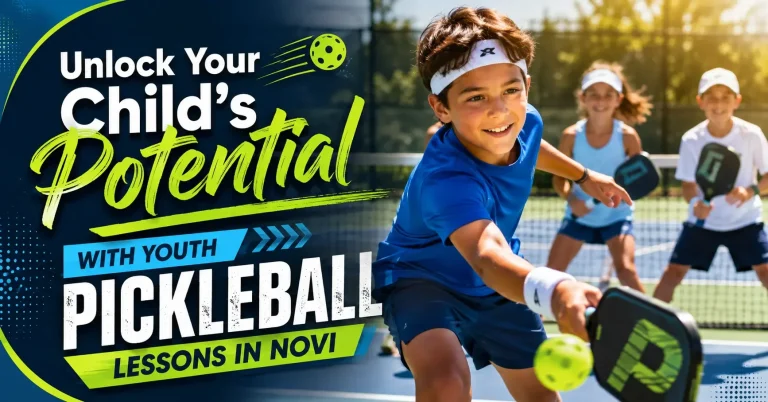
Pickleball gives children a fun way to move, learn, and build confidence. With the right instruction, a child can develop hand-eye coordination, footwork, focus, and teamwork while enjoying a sport that grows with them. For families searching for kids pickleball lessons in Novi, choosing the right program is about more than finding an open court. It means finding a supportive learning environment, age-appropriate instruction, and a clear path for progress.
PickleballWithRob offers pickleball lessons, group classes, and camps for kids and adults in Canton and nearby communities. If your family is in Novi, the right local program can help your child take the first step, stay engaged, and discover a sport they can enjoy for years. Use this guide to decide what your child needs, how lessons can help, and what to look for before getting started. Learn more.
Start With Your Child’s Goals
Before choosing a class, think about what you want your child to gain from pickleball. Every player starts from a different place. One child may want to try a new activity, while another may already enjoy competition and want to sharpen their skills.
Clear goals make it easier to choose the right format. Consider whether your child wants to:
- Learn the basic rules and scoring system
- Build confidence in a new sport
- Improve coordination, balance, and movement
- Make friends through a group activity
- Prepare for recreational games or youth competition
- Stay active during school breaks or summer
For many children, the first goal is simple: have fun and feel comfortable on the court. That matters. A positive first experience can encourage a child to keep practicing, ask questions, and try new skills without worrying about making mistakes.
The best youth pickleball program meets children where they are, then gives them a reason to keep moving forward.
Choose the Lesson Format That Fits
Youth instruction can take several forms. The best choice depends on your child’s personality, experience, schedule, and preferred way of learning.
Private pickleball lessons
Private lessons provide focused attention from an instructor. They can be useful when a child needs help with a specific skill, wants to learn at an individual pace, or feels more comfortable beginning in a one-on-one setting. An instructor can adjust drills and explanations based on the player’s needs.
Private instruction may also help a child who has played before but wants to correct a habit, improve consistency, or prepare for more challenging games. Because each lesson is personalized, families can focus on the areas that matter most to the player.
Group classes
Group classes give children the chance to learn alongside other players. This format can make practice more social and introduce skills through games, partner drills, and shared challenges. Children also learn important court habits, such as taking turns, communicating, encouraging teammates, and respecting opponents.
Group lessons can be a strong fit for a child who enjoys being around peers or wants to make pickleball part of a regular activity. The social element can help maintain motivation between lessons.
Camps
Pickleball camps provide a more immersive experience. A camp may combine instruction, movement activities, games, and repeated practice in a structured setting. This can be especially helpful for children who enjoy active days and benefit from learning several skills in sequence.
When reviewing a camp, ask about the age range, daily structure, equipment expectations, supervision, and skill level. A well-organized camp should give children opportunities to learn while keeping the experience enjoyable and appropriately challenging.
Look for Age-Appropriate Instruction
Children learn best when instruction matches their stage of development. Younger players may need shorter drills, simple explanations, frequent changes in activity, and plenty of encouragement. Older children may be ready for more tactical decisions, longer rallies, and greater attention to strategy.
Age-appropriate coaching does not mean lowering expectations. It means presenting skills in a way children can understand and use. A coach might teach the same basic idea, such as getting ready before the ball arrives, through different drills for different age groups.
When considering pickleball lessons for kids, look for instruction that includes:
- Clear demonstrations before practice begins
- Simple explanations of court position and safety
- Drills that develop movement and paddle control
- Encouragement for effort, focus, and improvement
- Games that reinforce skills without creating unnecessary pressure
- Feedback children can understand and apply
A child does not need to master every shot right away. Early progress often looks like tracking the ball, getting into position, making contact, and recovering for the next play. These building blocks create a strong foundation for future lessons.
Understand What Children Learn on the Court
Pickleball lessons teach more than how to hit a ball over a net. With consistent practice, children can develop physical and mental skills that support many activities.
Movement and coordination
Players learn to move forward, backward, and side to side while watching the ball. They practice stopping under control, adjusting their position, and preparing the paddle before contact. These skills help children become more aware of their bodies and surroundings.
Focus and decision-making
During a rally, a player must watch the ball, judge its speed, decide where to move, and choose how to respond. Even beginner drills introduce small decisions. Over time, children learn to stay focused after an error and make the next play with purpose.
Communication and sportsmanship
When children play with partners, they learn to call the ball, share court space, and support one another. They also practice handling wins and losses, following rules, and showing respect. These lessons can make group classes valuable even for children who are not seeking competition.
Confidence through progress
Confidence grows when a child sees that effort leads to improvement. A first successful rally, a better serve, or a more controlled return can provide a meaningful sense of achievement. Instructors can help by recognizing progress instead of comparing one child with another.
Prepare for a Positive First Lesson
A little preparation can help your child feel ready and reduce first-day stress. Talk about the lesson as a chance to try something new, not a test they must pass. Let your child know that beginners are expected to make mistakes while learning.
Before attending, confirm what the program recommends for:
- Comfortable athletic clothing
- Supportive court shoes or athletic shoes
- Water and a light snack when appropriate
- Paddles and other equipment
- Arrival time and court location
- Weather plans for outdoor activities
If your child is nervous, arrive early enough to get settled. Encourage them to listen to the instructor, ask questions, and focus on one skill at a time. Avoid giving too many technical instructions before the lesson. A child will usually benefit more from a calm, positive attitude than from a long list of things to remember.
Build Skills Between Lessons
Regular practice does not need to feel like extra homework. Short, enjoyable activities can reinforce what a child learns in class. The goal is to create positive repetition without turning every practice session into a competition.
Depending on the space and equipment available, families can work on:
- Gentle paddle taps to improve control
- Tracking a soft ball and catching it after one bounce
- Moving into a ready position before each shot
- Underhand serving motions without full power
- Calling out the score during a simple game
- Taking turns and celebrating consistent rallies
Keep practice sessions brief enough that your child finishes with energy. Praise preparation, patience, and persistence. If a drill becomes frustrating, change the activity or take a break. Enjoyment is part of long-term development.
Know When Your Child Is Ready to Progress
Progress should be based on skill, comfort, and interest rather than age alone. Some children are ready for more advanced drills after learning the basics. Others need more time to repeat foundational movements before adding strategy.
Signs that your child may be ready for the next challenge include:
- They can follow basic court and safety instructions
- They are comfortable holding and controlling the paddle
- They can serve or begin a rally with some consistency
- They recover after a missed shot and remain engaged
- They show interest in learning new shots or strategies
- They can participate respectfully with a partner or group
A coach can help identify the next useful step. That may be another beginner class, private instruction, a more advanced group, or a camp. Moving forward gradually helps children experience challenge without feeling overwhelmed.
Connect Pickleball With Other Family Activities
Pickleball can fit into a broader family approach to active living. A child may enjoy lessons while a parent explores pickleball lessons for adults. Families who already play tennis may also find that pickleball offers a different pace and a new way to share court time.
Adults searching for tennis lessons for adults or families looking for tennis lessons for kids can compare programs based on goals, schedule, and experience level. Tennis and pickleball both reward movement, timing, and practice, but each has its own rules and techniques. Trying both can help a child discover which activities feel most enjoyable.
For families who enjoy travel, pickleball can also become part of an active getaway. Pickleball vacations may include instruction, open play, and time to explore a new destination. A child does not need to be an advanced player to enjoy a pickleball-focused trip, but basic lessons can make the experience more comfortable.
Make a Practical Local Choice in Novi
When your family searches for pickleball lessons near me, convenience matters, but it should not be the only factor. A nearby program is more useful when it also fits your child’s needs and your family’s routine.
Compare programs by asking:
- Is the class designed for children, adults, or both?
- Does the format match my child’s experience level?
- Are the lessons private, group-based, camp-based, or a combination?
- Does the instructor explain skills clearly and encourage questions?
- Will my child have enough active practice time?
- What equipment, clothing, and attendance expectations apply?
- Can the program support continued development after the first class?
Families may also search for tennis classes near me when comparing youth sports. The most helpful choice is the one that gives your child a welcoming place to learn and a realistic way to stay involved. For Novi families, nearby Canton programs may be worth considering when they offer the right combination of instruction, group connection, and scheduling flexibility.
Take the Next Step With PickleballWithRob
Choosing youth instruction does not have to be complicated. Start with your child’s goals, select a lesson format that fits, and look for coaching that balances skill development with fun. With steady encouragement, children can gain more than paddle skills. They can become more active, focused, confident, and comfortable trying something new.
PickleballWithRob provides pickleball lessons, group classes, camps, and related opportunities for kids and adults in Canton and nearby areas. If you are exploring options for your family in Novi, review the available programs and consider which starting point feels right for your child. Learn more and take the next step toward youth pickleball lessons that make progress enjoyable.
Youth pickleball lessons can give your child a practical path to learn, move, connect, and grow in confidence. The right program starts with age-appropriate instruction and continues with positive practice, clear goals, and opportunities to advance. If your family is looking for kids pickleball lessons in Novi, explore nearby options that fit your child’s interests and your schedule. PickleballWithRob offers lessons, group classes, and camps for kids and adults in Canton and surrounding communities. Learn more.
Source: USA Pickleball, What Is Pickleball?
Questions readers ask
What age can children start pickleball lessons?
Children can often begin with age-appropriate pickleball activities when they can follow basic instructions, participate safely, and stay engaged in a group or individual lesson. The best starting format depends on the child’s age, coordination, confidence, and previous sports experience.
Are pickleball lessons for kids suitable for beginners?
Yes. Beginner lessons introduce basic paddle control, movement, serving, scoring, court awareness, and safety. A supportive instructor can adjust drills so children learn at a comfortable pace while building confidence.
Should my child take private lessons or group classes?
Private lessons may be helpful when a child needs individual attention or wants to focus on specific skills. Group classes can be a better fit for children who enjoy social learning, partner drills, and shared games. Some families use both formats as their child progresses.
What should my child bring to a pickleball lesson?
Children should wear comfortable athletic clothing and supportive athletic shoes. Bring water, and check with the program about paddles, balls, equipment requirements, court location, and any outdoor weather policies.
Can pickleball lessons help children who also play tennis?
Yes. Pickleball can reinforce skills such as hand-eye coordination, movement, timing, rally control, and court awareness. However, the sports have different rules and techniques, so children should learn the specific fundamentals of each game.